Second-degree burns are incredibly painful, and in an adult burn center that pain does not stop after the initial injury. Dressing changes, debridement, and daily wound care can be just as distressing as the burn itself. Opioids and sedatives remain central to treatment, but they carry real drawbacks, including nausea, oversedation, constipation, and risk of lifelong dependence and addiction. For that reason, many burn centers are incorporating non-pharmacologic tools into routine care. Virtual reality (VR), along with journaling and therapeutic coloring, delivers practical, patient-centered ways to improve pain control and recovery.
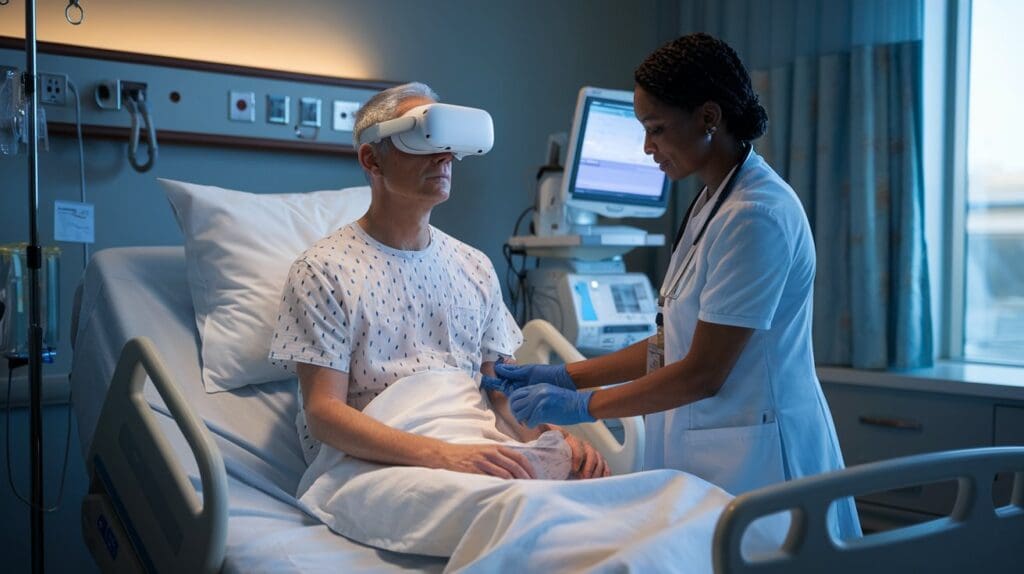
VR works by holding attention – when a patient is immersed in an interactive environment, whether that is a calming landscape or a game-based scenario, visual and auditory input competes directly with pain signaling. During dressing changes and physical therapy sessions, VR has been shown to lower self-reported pain scores and decrease anxiety. Some patients also require lower opioid doses when VR is used as an adjunct. Just as importantly, VR gives patients a sense of participation. Instead of feeling passive during a painful procedure, they are actively engaged in another environment, which can reduce anticipatory fear and perceived loss of control.
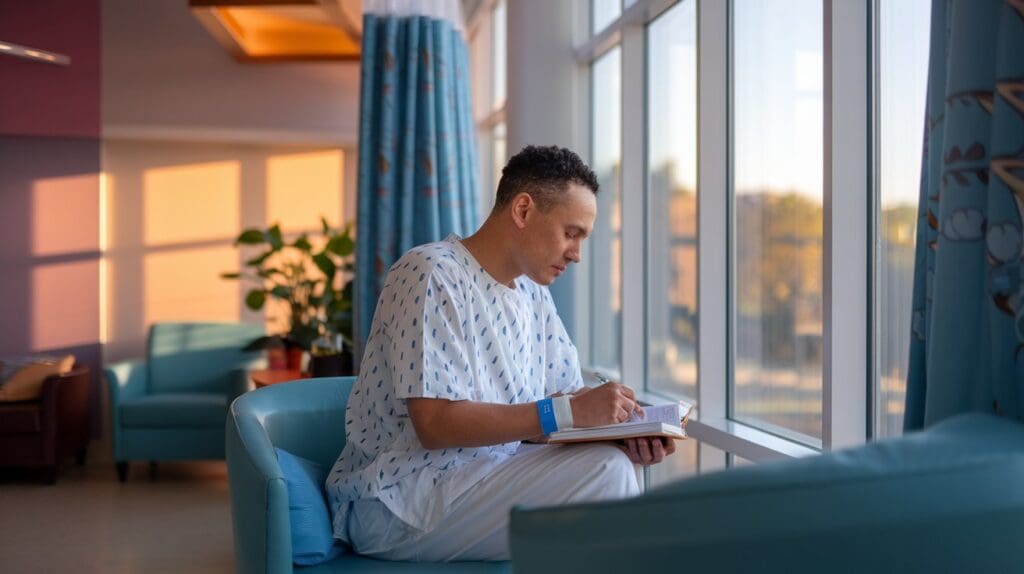
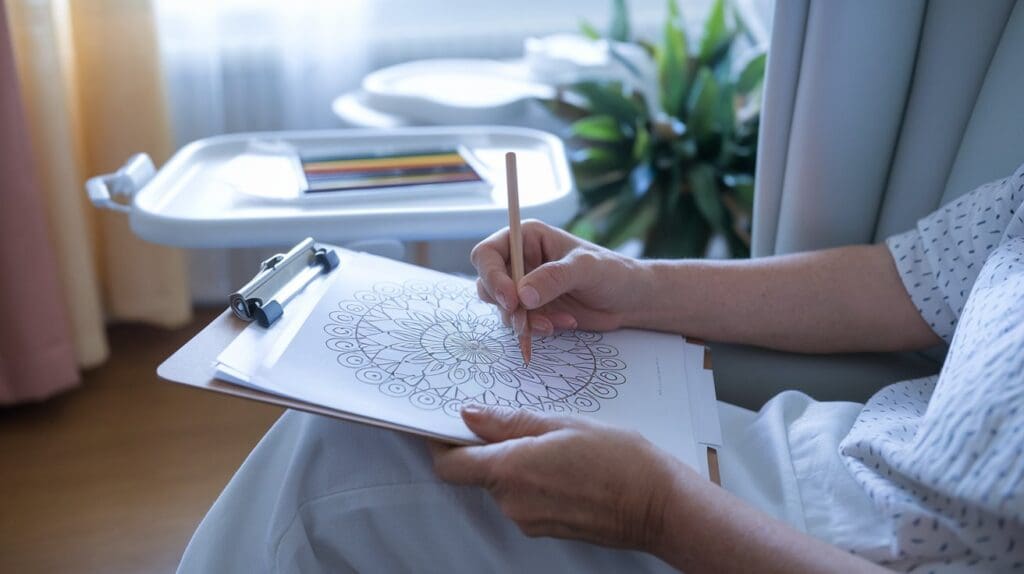
Journaling and coloring address a different dimension of recovery. Burn injuries are traumatic events, and adults commonly struggle with distress related to scarring, altered appearance, and the memory of the injury itself. Writing about the experience can help organize thoughts, reduce rumination, and improve coping. Therapeutic coloring, particularly structured patterns, promotes focused attention and physiologic calming. These activities do not eliminate pain signals, but they change the emotional response to them, which meaningfully affects overall pain perception.
In practice, these strategies are layered onto standard pharmacologic management rather than replacing it. A multimodal approach acknowledges that pain is both sensory and psychological. Nursing staff, rehabilitation teams, and psychosocial providers can introduce VR during procedures and encourage expressive activities during rest periods. Screening guarantees that patients without motion sensitivity or cognitive restrictions can safely participate.
VR headsets are increasingly portable and cost-effective, enabling bedside implementation. Journals and coloring materials are inexpensive and easy to individualize. Together, these interventions support a more comprehensive model of burn care.
For adults with second-degree burns, combining medication with VR and expressive therapies provides more complete pain management. Procedural discomfort becomes more tolerable, anxiety decreases, and patients regain a sense of agency during recovery. As burn centers continue to improve patient-centered models of care, these non-pharmacologic modalities are likely to become standard components of treatment.